Asanas & Pranayama
Asana vs Pranayama: Understanding the Two Pillars of Your Yoga Practice
One works on the body you can see. The other works on the life force you can feel. Together, they carry you from movement into meditation.
Walk into any modern yoga studio or open any online yoga class app, and the word you’ll hear most is “asana.” Downward dog, warrior, tree pose — postures dominate the conversation. But ask a seasoned teacher what actually transforms a student, and the answer is almost always the same: the breath. Pranayama.
Asana and pranayama are the two most practised limbs of yoga, yet most beginners treat them as one thing — or worse, skip pranayama entirely. This guide breaks down the real difference between the two, why you need both, and how to start weaving them together in your daily practice.
What is Asana?
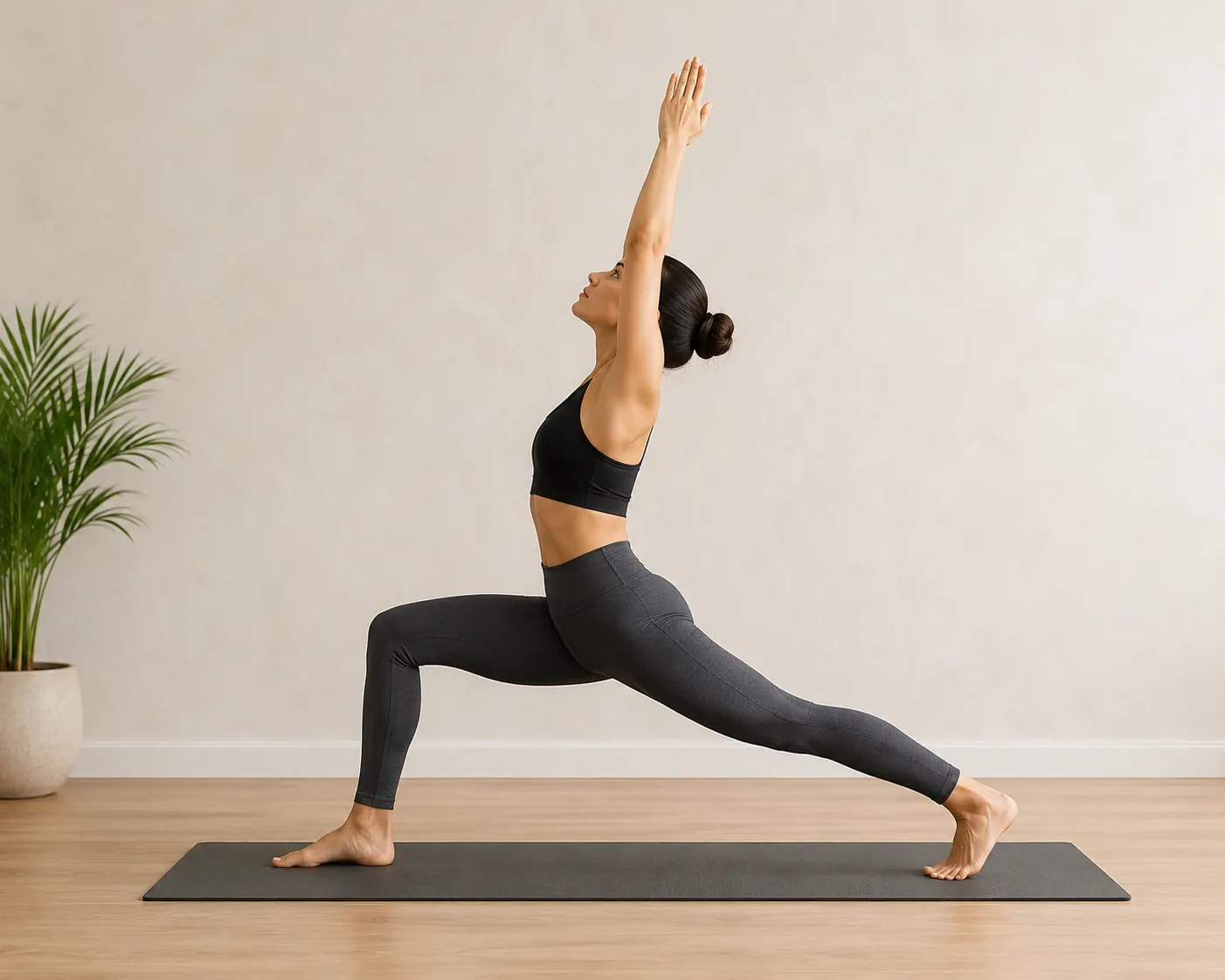
The Sanskrit word asana literally means “seat” — a steady, comfortable position of the body. In Patanjali’s Yoga Sutras, asana is defined in just three short verses: sthira sukham asanam, meaning “posture should be steady and comfortable.”
Asana is the physical practice of yoga. It works on your annamaya kosha — the food body, the flesh-and-bone layer you inhabit every day. Through postures, we build strength, flexibility, alignment, and stamina. We open tight hips, release stored tension in the shoulders, and teach the spine to move in every direction it was designed to.
What is Pranayama?
Prana means life force. Ayama means to extend, regulate, or channel. Pranayama, then, is the conscious regulation of the breath — and through the breath, the regulation of the subtle energy that animates the entire body.
Where asana works on the physical body, pranayama works on the pranamaya kosha (the energy body) and the manomaya kosha (the mental body). It is the practice that quiets the nervous system, sharpens the mind, and prepares you for the deeper limbs of yoga — pratyahara, dharana, and dhyana.
Asana disciplines the body. Pranayama disciplines the breath. Together, they discipline the mind.
The 9 Key Differences Between Asana and Pranayama
Here is a point-by-point breakdown that we teach every new student in our online yoga classes at Yognic.
The Panchakosha Connection
To really understand the difference, you have to understand the Panchakosha theory — the five sheaths that make up a human being according to yogic philosophy:
- Annamaya Kosha — the food/physical body. → addressed by asana
- Pranamaya Kosha — the energy/breath body. → addressed by pranayama
- Manomaya Kosha — the mental/emotional body. → addressed by pranayama and meditation
- Vijnanamaya Kosha — the wisdom body.
- Anandamaya Kosha — the bliss body.
Asana keeps the outermost sheath — the body — healthy enough to sit for long periods. Pranayama then works one layer deeper, on the energy and mind, so that meditation becomes possible at all.
What the Research Says
Modern science is finally catching up with what yogis have known for millennia. A few findings worth knowing:
Studies published in the International Journal of Yoga show that just 10–15 minutes of slow diaphragmatic pranayama a day significantly reduces resting blood pressure and heart rate in hypertensive adults.
A 2016 study in the Journal of Physical Activity & Health found that even beginner-level asana practice, three times a week for eight weeks, produced measurable gains in spinal mobility, hamstring flexibility, and static balance.
Nadi Shodhana (alternate-nostril breathing) has been shown in multiple randomised controlled trials to lower cortisol levels, reduce self-reported anxiety, and improve heart-rate variability — a key marker of nervous-system health.
Research from AIIMS and SVYASA has repeatedly shown that students practising asana and pranayama together report better sleep, sharper focus, and lower stress markers than students practising only one of the two.
So Which One Should You Practise?
Both. Always both.
Think of it this way: asana is the container, pranayama is what fills it. A strong, stable body without a calm mind is a beautiful vase with nothing in it. A calm mind trapped in a stiff, aching body will never be able to sit long enough to go deeper.
The traditional sequence is simple:
- Begin with 10–15 minutes of asana to release physical tension.
- Sit in a comfortable seated posture — Sukhasana, Padmasana, or Vajrasana.
- Practise 5–10 minutes of pranayama — start with deep abdominal breathing, then Nadi Shodhana.
- Finish with 2–5 minutes of stillness — the seed of meditation.
Learn Asana and Pranayama the traditional way — from home.
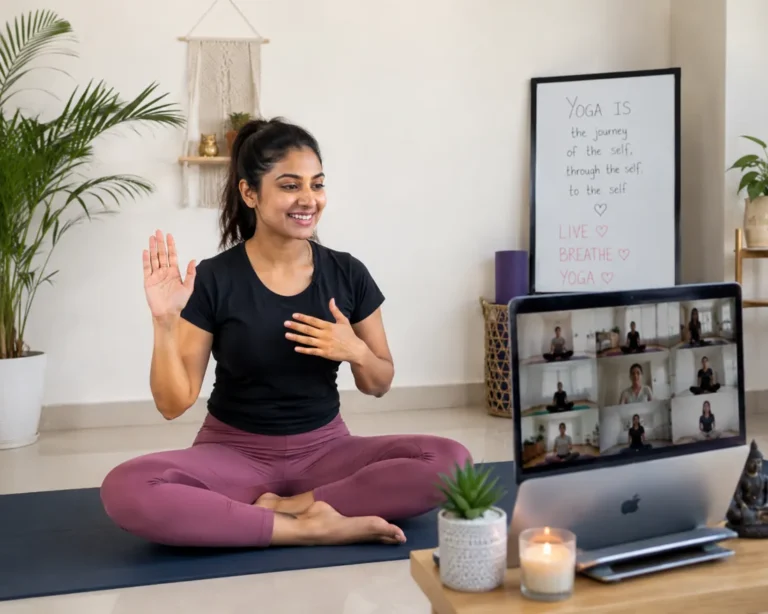
Our online yoga classes are led by certified Indian yoga teachers and cover everything from beginner-friendly Hatha and Vinyasa to structured pranayama, meditation, and traditional Ashtanga. Small batches, personal attention, live sessions on Zoom.
Final Thoughts
Asana and pranayama are not two competing practices — they are two halves of the same discipline. One prepares the temple; the other lights the lamp inside it. If you are just starting out, don’t get lost chasing complicated postures or advanced breathing techniques. Start simple. Ten minutes of asana, five minutes of pranayama, every single day. Consistency will do more for you than intensity ever could.
And if you would like a teacher to guide you — someone to correct your alignment, hold you accountable, and take you deeper — that is exactly what we do at Yognic. Come practise with us.