Pranayam
Pranayama for Anxiety Relief:
A Guided Practice
A simple, effective breathing technique to ease anxiety and invite calm. Move through it step by step, and feel the quieting effect of pranayama for yourself.
“Tasmin sati śvāsa praśvāsayoḥ gati vicchedaḥ prāṇāyāmaḥ”
Understanding Anxiety & Pranayama
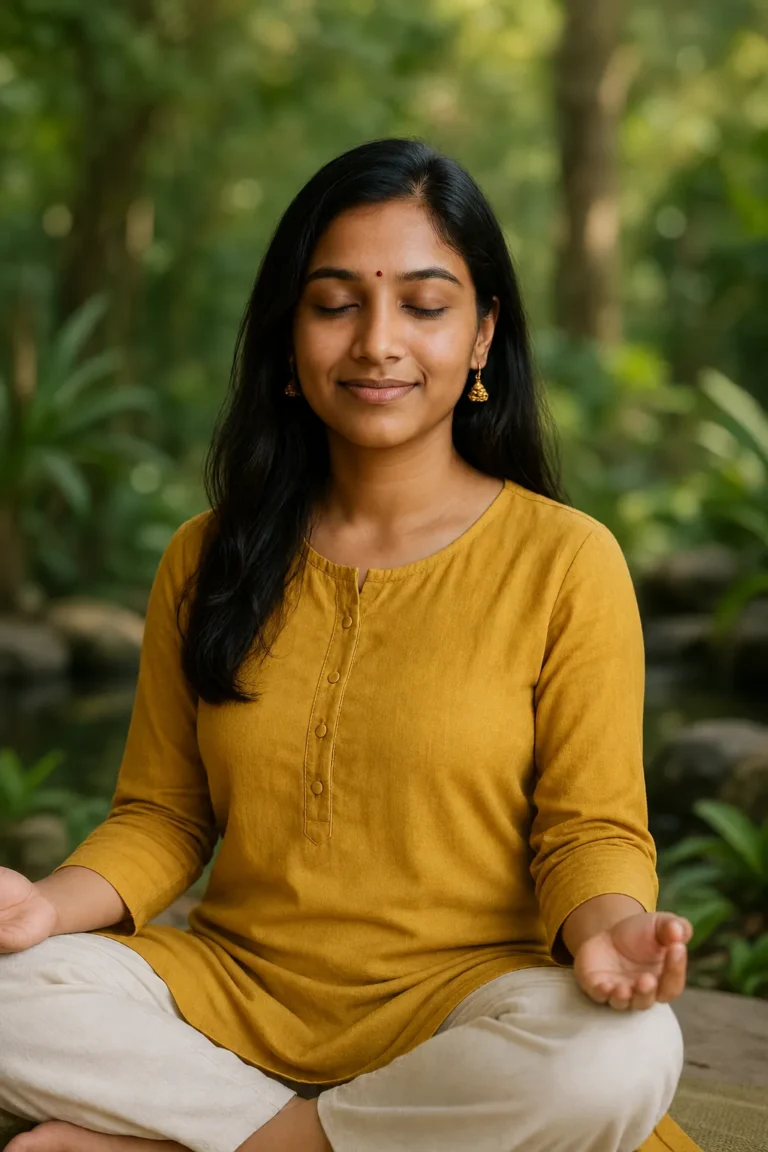
I still remember being in college, overwhelmed by exams and deadlines. The anxiety was so intense that my chest felt like it was tightening and I couldn’t quite catch my breath. That’s when I first discovered pranayama — and it completely transformed the way I manage anxiety.
Anxiety is a common human experience, affecting millions of people worldwide. It’s often triggered by stress, uncertainty, or perceived threats, which activate the body’s “fight or flight” response.
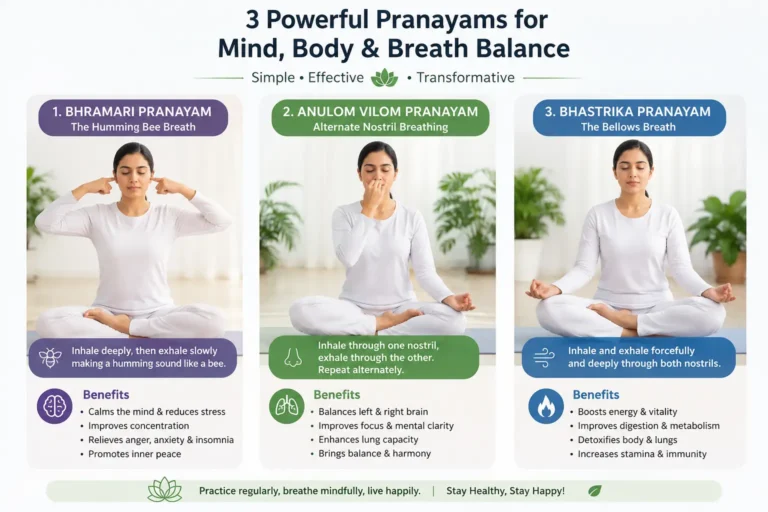
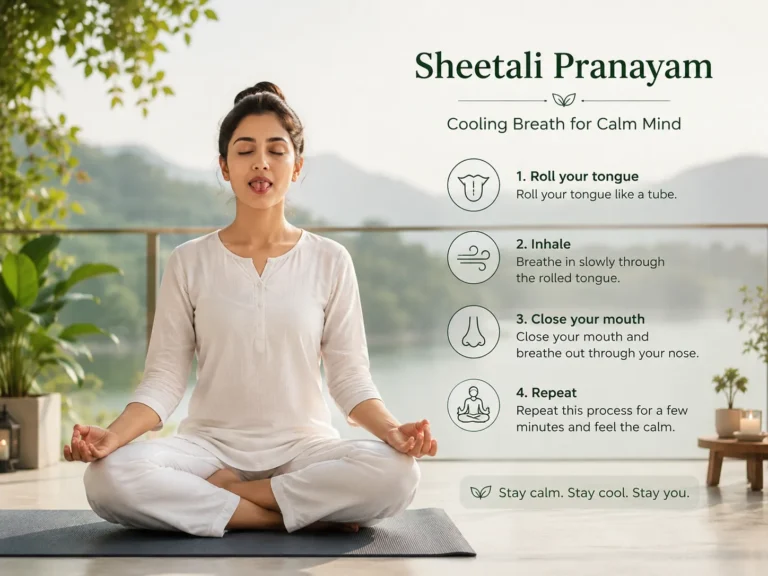
Pranayama, the ancient yogic practice of breath regulation, offers a powerful, natural approach to managing anxiety — rooted in a centuries-old tradition and supported by a growing body of scientific evidence.
Through conscious breathing techniques, pranayama helps regulate the nervous system, balance the fight-or-flight response, and cultivate a genuine sense of calm and relaxation.
Why Kumbhak Matters Most
Of every element in pranayama, kumbhak — the deliberate retention of breath — is the most transformative. It is the still point where the nervous system re-calibrates. There are two forms: antara kumbhak, holding after the inhale, and bahya kumbhak, holding after the exhale.
In that suspended pause the mind grows quiet, carbon-dioxide tolerance improves, and the vagus nerve is gently toned — shifting the body from stress toward rest. Begin with retentions of just two or three seconds. Never strain; the hold should feel like a comfortable rest, never a struggle. As steadiness grows, so does the depth of your calm.
Setting the Stage for Practice
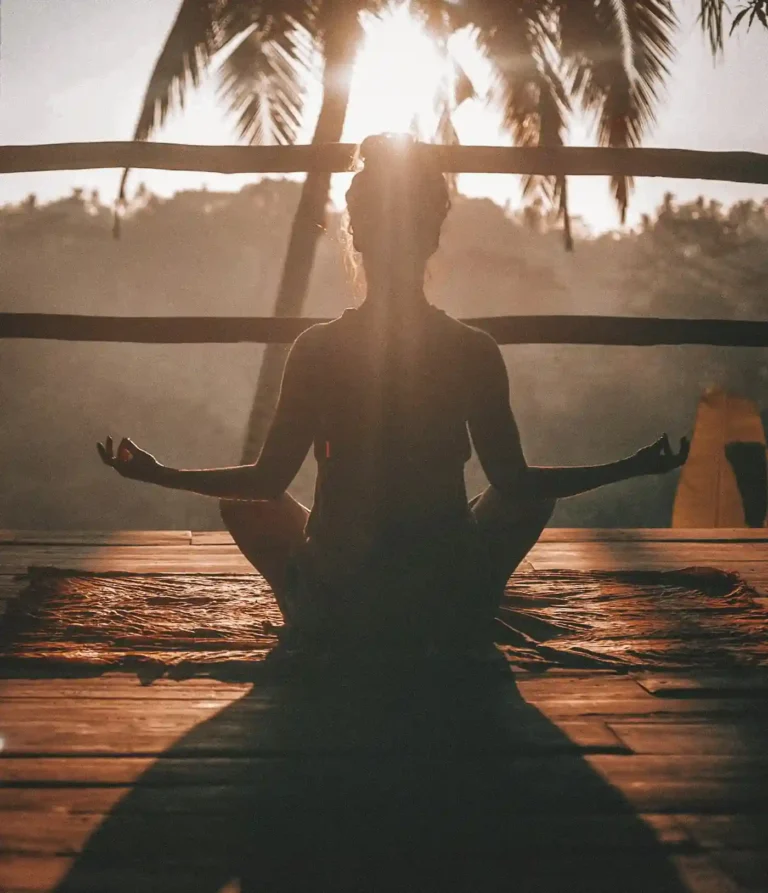
Find a quiet space where you can sit or lie down comfortably, free from distraction. This is your sanctuary for practice.
Set the mood with soft lighting, calming scents like lavender or chamomile, or gentle nature sounds to create a peaceful environment.
Consistency is key. Even a few minutes of daily practice can make a real difference to your well-being. Think of it like building muscle — the more you practice, the stronger your capacity to manage anxiety becomes.
As you practice, embrace mindfulness. Observe your breath without judgment, noticing the rise and fall of your chest and the sensation of air flowing in and out.
A Guided Pranayama Practice
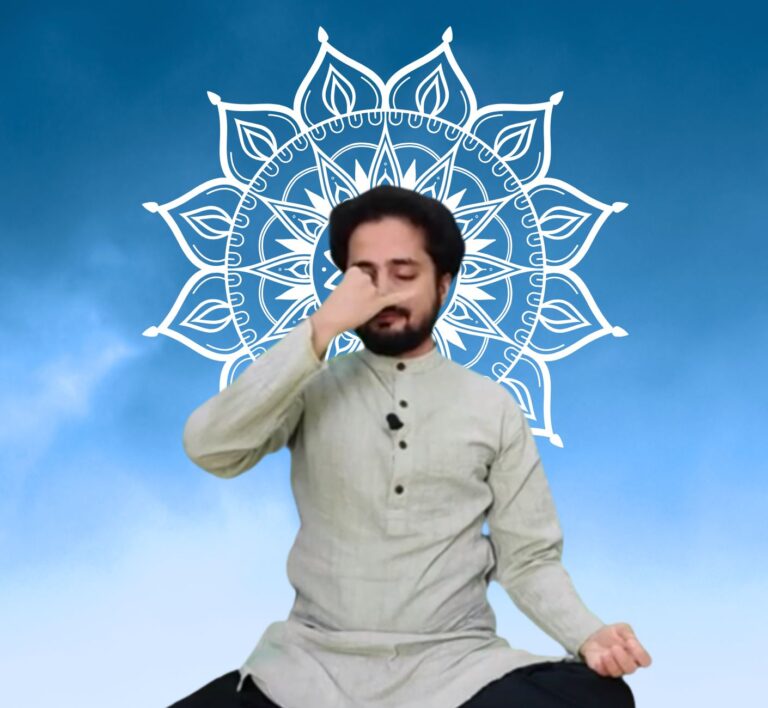
Today we’ll explore Nadi Shodhana — alternate nostril breathing — a powerful technique for calming the mind and easing anxiety.
-
i
Using your right hand, gently close your right nostril with your thumb, and inhale deeply through your left nostril.
-
ii
Close your left nostril with your ring finger, release your thumb, and slowly exhale through your right nostril. Repeat, alternating sides, for 5–10 minutes.
-
iii
As you go, notice any tension held in the body and consciously soften it, allowing worries to gradually melt away.
Benefits of Regular Practice
Studies show that regular pranayama practice can lower heart rate, reduce blood pressure, and promote emotional stability.
I’ve personally witnessed the transformative power of pranayama, in my own life and in the lives of others. Many have shared how it helped them move through anxiety and live with greater peace.
Stay patient and persistent. The benefits of pranayama deepen over time, giving rise to a profound sense of inner peace.
And pranayama isn’t only about managing anxiety. It can sharpen focus, improve sleep quality, and support overall well-being — bringing a sense of balance and harmony to your life.
Join Our Online Yoga & Pranayama Classes
Learn pranayama the right way with guided instruction — wherever you are. We offer personal one-on-one online yoga classes tailored to your goals, and welcoming online group yoga classes to practice alongside a supportive community.
1-on-1 Online Yoga Classes
Private, personalized sessions built around your body, breath, and anxiety-relief goals.
Online Group Yoga Classes
Live, guided group breathwork and yoga sessions — practice together, grow together.
Online yoga classes · personal yoga instructor online · group pranayama classes · yoga for anxiety online · live breathwork sessions
Final Thoughts & Next Steps
-
Remember, pranayama is a powerful tool for navigating life’s challenges and cultivating a genuine sense of inner peace.
-
Explore other pranayama techniques — like box breathing or diaphragmatic breathing — to discover what works best for you.
-
Consider consulting a qualified yoga instructor or healthcare professional for personalized guidance and support.
-
Share your experience with pranayama in the comments below. Let’s build a supportive community where we can learn and grow together.